
An Excerpt from Lyndsay's upcoming book Walk the Walk: A collection of essays and teachings

5,000 words on Mula bandha:
Quite possibly the most esoteric teaching in all of yoga is the root connection to our source energy – mula bandha. All of the ancient teachings and scriptures point to it, there are books written by swamis on this topic alone, and the suggestion is made over and over again that much of our human power comes from the deep connection to this weird place at the root of our pelvis at the base of the perineum. This crucial and foundational element of all seeking paths might today only be glossed over in a divinity school curriculum or in a yoga teacher training, and it is one of my personal goals to ensure that this essential yogic technique is never lost to complacency or preferences toward convenience.
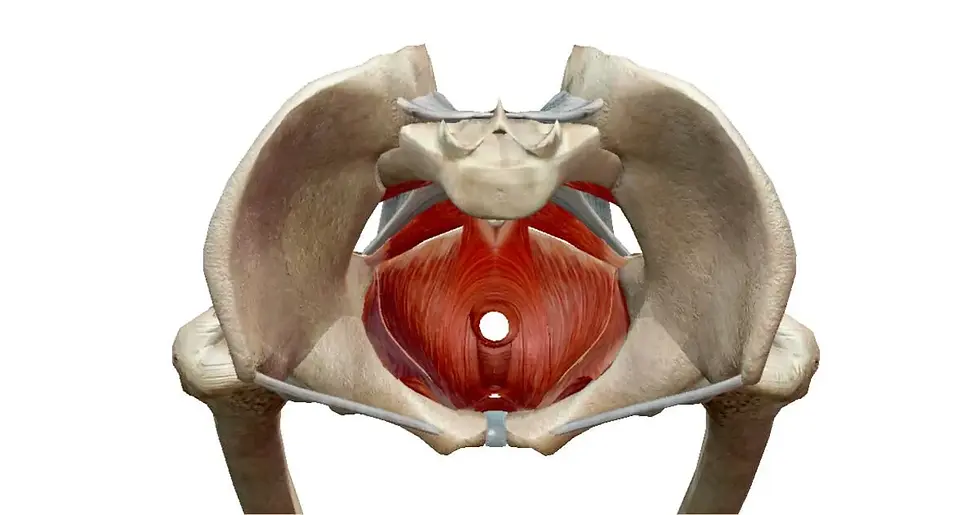
The (very loosely told) Hindi story is that Lord Siva and his consort, Parvati, were in their perfected yogic state and determining how they were going to aid humans in their attempts to connect with the divine. So they decided that it would be fun to place all of our power at the base of the spine, in an area where we would never go looking for it. Jesus proved his anchoring into his Source in a very embodied way by walking on the water and reminding his students to be brave and calm and rooted, even in the midst of the storm. Many stories of saints and sages of all ages have discussed physical and energetic “lightness” and physical “floating” that comes from unlocking our divine energy at the base of our spines. This is a full-body visceral experience of the divine, and is one of the greatest offerings in a human experience we’ve been gifted to find grace directly for ourselves. And, it is one of the reasons why yoga asana is a part of the spiritual path – we are here to embody this experience, not just believe in it, and the body offers more access to this with every moment of devotion and physical attention in this area.
The cueing of this mula bandha stuff comes from a place of connecting to the pelvic bowl of musculature and tucking your tailbone to gain length and neutrality to the lower spine and strength to the lowest portion of the belly and the base of the pelvic bowl – but just because you’re squeezing your pelvic floor muscles and pulling in your low belly doesn’t mean that the energy of mula bandha is being unleashed. It takes most students a long time to connect to these muscles, and my opinion on this is that we store the majority of our trauma in our pelvis and therefore it’s naturally about the last place in the body that our mind is willing to go. It becomes a meditation on “nothing” until “something” happens, making it a very advanced understanding of the mind-body connection. Many students who run into trauma in their pelvic floor recognize a need for physical therapy on these muscles before a relationship can be further developed (some PT practices offered further in this chapter). Most students who seek this powerful awareness meet upon it and receive a dead and silent response, sometimes for years. And this is all a part of the process.
Indeed, from a modern physiological perspective, the pelvic floor muscles are very challenging to operate, and there are plenty of highly decorated, educated and researched professionals who would suggest that having complete agency over the area of the body is physically impossible. Let me first say that it’s not, and that I personally get to hang out with people who are using it every day and finding new experiences of joy as a result of drilling down into this awareness. Now, whether we’ve evolved over thousands of years to have even less awareness in this area, or we’re just hiding our personal, ancestral and collective trauma there, it’s quite a thing to go to the depths of the body to bring extraordinary awareness and to alchemize it into a true divine experience.
Where this wonderful conversation can be interesting to read about here, knowing it for yourself will present a world of awareness and joy and lightness in your universe. Here is THE practice for beginning to unlock a sense of ease and grace in our bodies and lives. Note that your biological gender indicates where and how you contract these muscles to engage. If you are biologically male, you’ll gently contract the outside sphincter of your anus. If you squeeze too much, you risk hemorrhoids and the like. The physical engagement itself is just slightly more than doing nothing at all - it is subtle, so be delicate and mindful. If you are biologically female, you will aim to contract the top of the back of the cervix.
At first, you’ll probably squeeze too much and all of the muscles in the pelvis will contract. After a time, you’ll learn to isolate the muscles to find your energy center. For the true seeker, the release of this energy provides a constant connection to a deeper well of energy and Source connection. Trust me here, it’s worth your time to dive into this with as much love and patience as is possible.
In practice of using mula bandha, start seated and breathing, bringing all of your awareness to your pelvic floor muscles.
From a steady breath flow, gently contract on an inhale. If this feels uncomfortable, or if nothing happens or moves in your pelvic floor, then this is an indication that you have little to no accessibility to these muscles due to tightness. If you can lift your pelvic floor muscles like tightening a hammock, then likely your muscles are normal to flaccid. Note your experience every day, as the vagus nerve runs through this area and if your nervous system is upset or inflamed in any way, the pelvic floor muscles will reflect those feels. Truly, the pelvic floor is different every day due to environmental circumstances and stimulus.
Once you have determined whether your pelvic muscles are tighter or more flaccid and malleable, you can determine how to breathe to bring it to a place where you can exercise it properly. Like any muscle group, it takes consistency to develop mobility here. These muscles might be the most mysterious and auspicious to connect to the mind and heart, so continue to bring love and patience. If your muscles are tight, you’ll relax the muscles on your INHALE. To do this, push out a tad, so that your muscles feel like they’re melting into a puddle beneath you, spreading it out broad and wide. Then, on your exhale, you’ll contract your abdomen and tighten your pelvic floor muscles a tad. Repeat for a few minutes daily.
If you have determined that your pelvic floor muscles are more malleable and that you can lift them up to tighten them with some relative ease, then the breath is the opposite. You’ll engage your pelvic muscles on the inhale, and on the exhale, you’ll release similarly into the abdomen, watching how the abdominal muscles connect with the pelvic floor to hold the strength together, connecting the abdomen to the back and bottom of the pelvic floor, creating lightness from the base of the core all the way to the crown.
Repeat this seated and in your asana practice every day. In yoga asana, this technique translates to an understanding of tucking your tailbone in most poses and transitions*, lifting your pelvic muscles to meet the drop engagement of the abdomen, creating an incredible, seamless mobility in your hips and lower back. Watch what happens to your practice as a result.
*Note: Generally, we tuck the tailbone in most postures to both lengthen the spine and support it with surrounding core musculature, but how much and to what extent the tailbone tucks is a significant and delicate spectrum of mobility that is found through the use of mula bandha and its fluid relationship with the surrounding muscle areas. Doing yogic leg or torso lifts daily for about a month (on your back, on your sitting bones, in any inversion, on your feet, on your belly, on your knees) can help a seeker to understand how the pelvis tucks and untucks through a variety of movements.
Often, the use of Mula Bandha is actually attributed in modern times with a negative connotation to Ashtanga Vinyasa, a school of yoga asana established by Pattabhi Jois in the early-mid 1900s, but is mystically connected to a story that these intensive sequences and techniques had been passed down orally and by writings on banana leaves. Whatever the truth about the origins of Ashtanga Vinyasa, the mula bandha is referenced in every intensive offering of spiritual body engagement throughout time and throughout the world. Where most American yogis may never have access to this deep auspicious training

unless they find someone willing to teach them, this wisdom has been passed down for thousands of years to those accepting of an immersive spiritual lifestyle. Though we can never know for sure, a widely-recognized theory is that one of the very first uses of it was in the training of gurus and other ancient spiritual people through the esoteric practices of yoga (which, I assure you, are really not all that esoteric).Jesus of Nazereth, a great teacher with juicy divine connection and arguably the best healer that ever walked the Earth, walked on water. He turned water into wine. He spent a lot of time in his body, understanding it and trying to translate his body awareness to his students in ways that we still misinterpret through our blurry lenses today. But anyone with eyes, from the yogis to the east Asian martial arts masters see nothing other than a devotional and masterful use of dude’s own awesome pelvic floor functionality. The experience of mula bandha in a healer at the level of Jesus is nothing short of superhuman. Yet we all have access to this power within us. We all have the latent capacity to be a super hero.
In yoga asana, and other physical activities, we use it to lift up – consider an olympic diver for a moment, and how they roll-lift into handstands at the edges of insanely high platforms, and then pop off like they “floated” up and out and then down into the water below with almost no splash. Ever wonder how they do this? Ask, and they’ll tell you it’s all about awareness of the pelvic floor connection to the abdominal wall.
This is also the technique used in yoga handstanding, contrary to popular belief. I actually spend more of my time trying to talk experienced yogis out of stretching and poor technique than I do actually teaching mula bandha and proper technique. Most yogis want to believe that yoga is superficial stretching, but it’s really a deep cleansing for deeper spiritual awareness starting at the base of the body and moving up from there. To move into a handstand, we do not stretch or throw our legs back and over to find balance over our hands; we place our pelvis over our hands by lifting it off of the hands as lightly as possible, and stacking the body up from the base of the perineum with a long strong torso that begins with a clear understanding of the base of the root and core, in the same way that we have a strong understanding of the chest muscles or the upper back. There’s no amount of hamstring stretching that will create this without intention and technique.
So while it’s not a popular thing to engage the pelvic floor to find core strength, professional athletes do it this way (everyone from football players to kung fu artists to olympic swimmers to basketball players to

gymnasts), so why shouldn’t everyone? Why is this technique so underutilized? Is this pelvic floor business so mysterious and hard and mystical that only big famous rich athletic people should be able to harness? Or is it just “too deep” of an awareness that most people would not want to put so much work and effort in to find for themselves? Either way, the best fitness trainers in the world wouldn’t allow core strength to be created without first accessing the pelvic floor muscles and then working up into the transverse abdominis and psoas. And only then would it make sense to tighten up the rectus abdominis muscles (the 6-pack ab muscles), which, goofily enough, are mostly for today’s aesthetic delights. They only minorly aid in digestion a little, and offer very little strength to the core itself.
So is there some mysterious power in all of this that makes it…a secret? No doubt, I’m not packing yoga studios filled with hundreds of students wanting to understand mula bandha. Preaching mula bandha for 15+ years has been more of a turn-off to students than it has been a turn-on. It’s too hard, and it’s annoying to hear an instructor talk all the time about some esoteric alignment that students are not interested enough in which to engage. And no matter how much I speak of the rewards and benefits of this practice, most people don’t believe me even when I physically demonstrate the use of its gracefulness.
The most consistent physical response I receive from students is generally something like “Nah, I don’t wanna learn how to float into a handstand. I’m just gonna keep kicking up and over and hoping that someday I might balance on my hands.” Now, listen, I’m not talking about lazy people – I’m talking about the epidemic of avoidance, which is a natural tendency of the mind. The pelvic floor muscles essentially create a floor for the house of core structure to be built upon, and we all know that no house can be built without a foundation. This is great! Yet, the pelvic floor muscles are so irritating for most people to think about, so naturally aversive, so taboo even, and likely so sensitive and delicate, that our fear bodies avoid - fear parts take over and choose to lay down our core strength to uplift complacency.
We say to ourselves, “Well, according to my doctor I’m healthy, and I’m grateful for my health. What more could I ask for?” And we avoid going into the depths of our growth at the bottom of our spine because we have so little modeling of anything beyond this acceptance as “good enough without all the extra effort”. Instead, we have this underlying belief system that we aren’t cut out for this greatness, or that somehow this just doesn’t apply to us (this is a shame response, see chapter 1!). Mula bandha exists in all human bodies, naturally suggesting that ALL humans are designed and built for this – ALL humans are designed to develop like Jesus chose to develop through his will and faith.
What if this “extra effort” of the engagement of mula bandha not only provided us with a stable foundation, but through the practice of establishing a relationship with this necessary musculature, we were also able to manifest a grounded, centered and healed whole person without health issues and who is capable of sustaining the use of the body into old age with the spiritual awareness of a 40 year old? What if mula bandha was the key to mastering the energy body in a way that allows the seeker to viscerally feel a physiological experience of Source connection through the nervous system?
When older students come to me for private lessons and deepening spiritual work, it’s impressive. To be able to work with folks at any age who have developed this awareness is a blessing, but living in the world longer leaves its marks on us. Most Americans by the age of 50 are riddled with health problems and distractions of the body that make it almost impossible to establish an emphasis of mula bandha while moving into the latter stages of life that our body has to offer us. How can we meditate for an hour a day if we can’t find comfort in our bodies? How can we pray for collective consciousness if we ourselves don’t know consciousness? How can we dig into the psycho-spiritual evolution if we aren’t willing to explore the places in the body where we hide and suppress all the somatic manifestations that keep us feeling the density of existence? We can continue the depth of our work into old age if we’ve treated the body with respect and love and goodness, and this is the course of life for those who are seeking more. They put the seeking before everything else, and this is where the yoga asana really makes a lot more sense.
There was a 90s commercial for something pop-health-related and it talked about a body in motion staying in motion, where a body at rest was more likely to stay at rest. That really makes sense – physics applies to everything – even the way we think and operate (it’s all movement of energy, whether we can see it or not), and no doubt, if a body is in motion for many years in the earlier parts of life, then there’s a great likelihood that this body will stay in motion. So when older folks (70+) come to me for spiritual work and advancing their juiciest divine connections, Mula Bandha is the first place we go.
For those bodies that have been in motion most of their lives, bandha work often comes very quickly. It’s like a milestone that the body was always ready to stumble upon but just hadn’t been asked to go there yet, just like a child connecting to a developmental milestone for the first time - it just clicks. There is an intuitive looking in this area for seekers, even sometimes through aversion and masochism. As long as the looking is at its highest intention toward the GAHG (Greatest and Highest Good), we’re good here. Everyone’s gotta have their own desire to go there, otherwise it’s just a weird thing that some super woo-woo teacher is saying that makes no sense and has nothing to do with cool yoga pants, sweat, rock music or 6-pack abs.
The idea is, we are here on this planet to find this spot in the body, connect to it, and bring it with us when we ultimately end up somewhere else. It’s here for us all. It’s not just a thing for Jesus or Indian healers or Kung Fu masters or Andean Shamans. This connection has been used by great healers and spiritual guides and teachers throughout time because the only way they can connect to healing others is through the deep healing of themselves. That deep healing could be seen even as impossible without this deep connection to our root energy.
So while thus far this Mula Bandha discussion has been primarily in the physical, the really magical and beautiful part of finding agency in the root of your core strength is that, like Siva and Parvati knew, our spiritual powers lie dormant here until we gain access to them.
In my personal experience in both watching others and practicing this intensely myself, I’ve seen this process to take about 10 years of daily practice to begin to understand. I had a teacher tell me a long time ago to never suggest that to students (as it would inevitably deter most of today’s population with ever-diminishing attention spans to engaging in some other hobby for sure). But, since I’m here to share this divine path rather than try to seduce students with rock music and sweat jams in cool yoga pants, it’s important to continue to disseminate this truth. Let’s not forget for a second that sweat jams in cool pants are a part of why we enjoy this path – we’ve gotta get some basic material goodness out of it as we grow to gain the endurance to keep on keeping on. In the meantime, 10 years might seem like a lot of dedicated energy, but when you’re doing something you enjoy in a focused manner, these incredibly powerful and ancient practices start to work their magic on the body.
And strong pelvic floor muscles mean lots of amazing things for our pleasure centers as well.The magic that comes is first more easily recognizable in the physical mobility of the lower spine. Your yoga asana practice and everything else you do with your body becomes lighter and lighter, and you even start to feel your density in a more buoyant way. It’s intoxicatingly pleasurable. Then comes non-attachment in some big ways. Because you feel so powerful in your body and have so much agency and pleasant feelings, you gain a sense of confidence that no one can take away, no matter what external validation you think you enjoy in the external world. You have a growing knowledge that you know what you’re doing and you’re anchored into it.

This ever-increasing feeling starts to bring a relaxed intention and grasp on everything you once clenched. It brings a feeling of joy and ease in the face of fear and chaos. It brings fertility to an aging female and sexual energy to an aging male. It brings a higher tolerance for pain and discomfort associated with its awakening as well as other challenges that may arise in the body in any given day. It helps us to find balance with our hormones as we age. In the day to day of the yoga asana practice, you feel the use of what starts to feel less and less like a physical engagement and more of a subtly connected alignment that you create no matter where you are and what you’re doing. You feel a sense of importance to maintaining this energy fluidly in your pelvis, which requires physical maintenance. The farther you get with it, the less your body will let you hold yourself any other way. So the yoga asana is less about postures over time, and more about building and clarifying this connection you have to Mula Bandha, which then inevitably leads to more and more of the magic. The yoga postures are intended to help a seeker create, build and maintain this divine alignment.
When the physical engagement turns into more of a little energetic button that you push by pulling in, you feel that handstand lift happening without much in the way of muscular engagement. It just happens, effortlessly. And when you use Mula Bandha for walking quickly, you find yourself floating without muscular effort. When you engage the mula bandha power in a moment of potential conflict, you find compassion and softness. When you engage it in a moment of sadness, you find relief. Engaging it when you’re feeling under the weather strengthens the immune system, and keeping in contact with it when you hug someone brings more love energy to the embrace.
My favorite story of any Brahmin teacher I’ve heard is the one about Pattabhi Jois and his students sitting in a coffee shop somewhere in Europe having lunch and a woman comes up to PJ, wailing and upset. She asked him with her most respectful and loving wishes of devotion to him as a guru about what we need to do with this ever-worsening world we live in. He simply says, with a sweet smile on his face, “...squeeze your mula bandha and let God take care of the world.” In other words, connect to the deepest nourishment of yourself, and the world will heal naturally in the process.
So eventually this mula bandha business really creates a feeling of beautiful wholeness in the body – it clarifies the physical, energetic and mental layers of our existence, paving the way for real clarity and compassion to heal the deeper issues that prevent us from fulfilling our full potential (we are all potential instruments of the divine). When Jesus put his hands on people to heal them, no doubt he was engaging his mula bandha, as he was a master of the human experience and all its many layers and facets. And when any powerful healer puts their hands on others, it’s because they’ve used the power of mula bandha for their own healing and with that toning and practice comes the ability to point it out and offer it up to others as well.
Note: Reiki Master and other energetic healer practices include engagement of mula bandha to maintain the availability and consistent flow of healing energy. It’s termed Hui Yin in the Reiki traditions, while the entirety of the Andean Paqos’ shamanic healing practices are centered at the base of the pelvis, and its connection to Pachamama, its place of grounded nourishment.
While not everyone is stoked to put their hands on other people, every human heart wants for a happier and more compassionate quality of life. And the beautiful thing about working with the root energy of the body, is that it not only builds physical strength in the core, but it builds foundational strength in the subtle body. So literally, when you sit in your yoga class and engage your mula bandha while you’re sitting, you can easily notice the heart opening little by little, without any stretching or tugging or movement at all. The heart energy has its own way (see chapter on the heart for more info) of doing things, and is highly influenced by its environment. The only real way to “control” heart energy is to ground it foundationally so that it recognizes that it is safe to open. And then it opens. And then it closes again when it doesn’t feel supported again. And these are choices that we either make, or ignorantly don’t make, all day long.
To feel this outside of yoga class, just go sit in a coffee shop and write an essay on your mula bandha (or whatever else you do at a coffee shop). Feel all the things and think all the thoughts and notice your chest and upper body posture. Then engage your mula bandha and notice how your shoulder position shifts. The heart opens because the subtle body is feeling foundationally sound. Now forget about your pelvic floor muscles and just keep on going. Notice your shoulder and heart posture – has it caved back in? Fascinating isn’t it? How we hold our lower body influences the health of our upper body. How safe our hips and lower core feel in their own experience highly influences the way we express and open ourselves to our emotions.
Here’s a quick way to understand the subtle body:

1. Root Chakra - mula bandha - the base of the perineum - Our connection to our Earthen Mother for Source energy and life and our basic individual human needs like sleep, safety, nourishment and warmth. Associated with adrenal function and our ability to eliminate/release/let go. 2. Sacral Chakra - uddiyana bandha - the lower abdomen - represents our connection to others, our feeling of creativity, pleasure, and our unique place in the world as we relate to ourselves and others. Associated with the kidneys and reproductive systems. 3. Solar Plexus - just below the sternum in the middle of the torso - our relationship to the world at large, our ambition, fire, contribution and manifestation powers. It’s our center of confidence and movement outward. Associated with the upper digestive organs and digestive fire in general.
4. Heart - where our emotions live and where love flows; and the direct connection between the heart and the root offer an indication of how the heart is going to operate. It closes when the root is malnourished and opens when the root is clarified. The back of the heart is associated with love coming in, and the front of the heart is associated with love being sent out. Associated with the heart organ, skin and lungs.
5. Throat Chakra - where our modes of expression exist. Authentic expression is communicated in many ways – the way we speak, write, dress, act, what roles we play and how we present ourselves. Women across the world are notoriously weaker in 5th chakra energy stores. Associated with the thyroid gland.
6. Third Eye Center - where intellectualism meets intuition in the frontal lobe. When the mind is busy, the third eye is cluttered and overwhelmed. When the mind is clear, intuition flows from this place down through the mouth and heart and out the body in the form of compassion and love. Associated with the endocrine system – the hormonal body and all its neurotransmitters. 7. Crown - Our connection to astral Source energy, our spirit guides, knowledge of the cosmos and free-flowing Source connection from here up. This energy center presents the understanding that we are not alone in the universe and there is much more to our experience than just here on Earth. Associated with the pineal gland - the one that operates everything in the body independently of the rest of the body..
8. Wiracocha - this is the area above the crown that is the essence of our highest self. It is golden healing light, bridging us from our temporary homes in our Earthen bodies to our ultimate Home where we connect to all of Creation and our Creator.
So now we’re not just talking about physical and mental health, but also emotional and spiritual health. The relationship of the hips to the heart is essential to understand for any advancing seeker down the path, and herein, the healing of our wounds becomes the biggest driver for our spiritual work. We realize that all the energy centers of the body and their unique functions and relationships help us grow and learn and feel more. And with experiences so rich and deep and powerful and undeniable, we start to turn away from the low standards of health offered by the collective and start to turn back into ourselves for a safe haven from the world of ignorance.
Inevitably at some point in this process, we have no choice but to share this wisdom and knowledge with others on the path, as few or as many as there may be. This knowledge is for the widow of the ultra-marathoner who died of stage 4 cancer because he didn’t fall under the scope of standards and statistics and passed through without notice. It’s for the yogi with the desire to go deeper into her food sensitivities when tests have proven she’s allergic to nothing. It’s for the woman who just doesn’t trust that cancer drugs and other known carcinogens are the best treatment for pre-cancer cells in her uterus. This is for the healer who has had her thyroid removed and now her expression has to come from her root energy. This is for the former sex-worker who doesn’t know how to get the trauma out of his body. It’s for the suppressed middle-aged man whose wife needs him to feel more into his emotions in order to connect to her with more intimacy. It’s for the Buddhist realizing the lightness of levitation. It’s for the lifelong practitioner who skirted around the idea of holistic healing, but now has pre-cancer cells in their body somewhere and they have a decision to make about taking some real intense drugs that just doesn’t feel right. It’s for the surfer wanting to understand the flow of the universe beneath him with more and more freedom. It’s the key to homeostasis and all the mysteries of the body.
Ready set go!
Copyright Lyndsay Bahn, All rights reserved


Comments